Enquiry

NB IoT Box LITE

Read existing meters automatically, without replacing them.

The NB IoT Box LITE is a battery-powered data logger for retrofitting existing water, gas, electricity and heat meters.

Via a compatible pulse output or encoder interface, the device captures the meter data and transmits it automatically over the NB-IoT mobile network to the VERAUT web portal VERILOG or an existing data acquisition system.

Data is transmitted at adjustable intervals, hourly by default. No external power supply and no additional gateway are required.

The NB IoT Box LITE is designed for connecting a single meter. Depending on the installation site, the data logger can be mounted directly on the meter or in a separate housing.

  • Retrofit without meter replacement
  • NB-IoT
  • Pulse / encoder
One data logger per meterNB-IoTVERILOG or your systemBasement
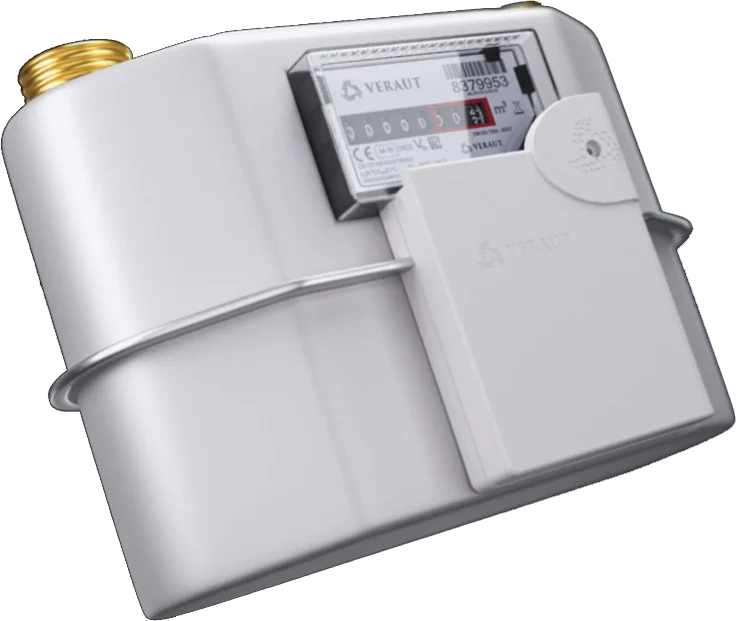
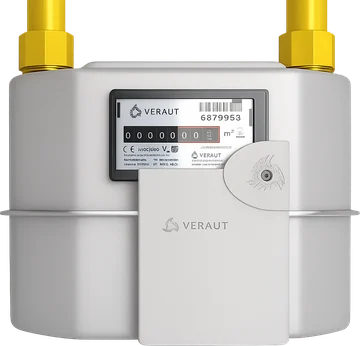
NB IoT Box LITE data logger on a diaphragm gas meter, angled view1234

The NB IoT Box LITE in detail

The NB IoT Box LITE is a compact, battery-powered data logger for automatically reading a single meter via a compatible pulse output or encoder interface. The data logger is connected to the existing meter interface and transmits the captured data over the NB-IoT mobile network.

  1. 1

    Data logger mounted on the meter

    The picture shows the NB IoT Box LITE in one mounting version on a diaphragm gas meter. The housing contains the electronics, the lithium primary battery and the antenna.

  2. 2

    Secured with a fixing screw

    The data logger is secured to the meter register with a fixing screw. It captures pulse signals via a suitable pulse output, for example a reed contact or an S0 interface. Alternatively, compatible encoder registers can be read via the supported SCR or SCR+ interfaces.

  3. 3

    Reading still visible on the meter

    The mechanical or electronic register remains accessible for on-site reading. During commissioning the current reading is stored as the start value where the reading method requires it.

  4. 4

    Retrofit without replacing the meter

    With a suitable interface, the existing meter can stay in service. As a rule, retrofitting requires neither a meter replacement nor work on the pipework.

For meter pits and outdoor use there is also a version in a separate IP67 housing, see below.

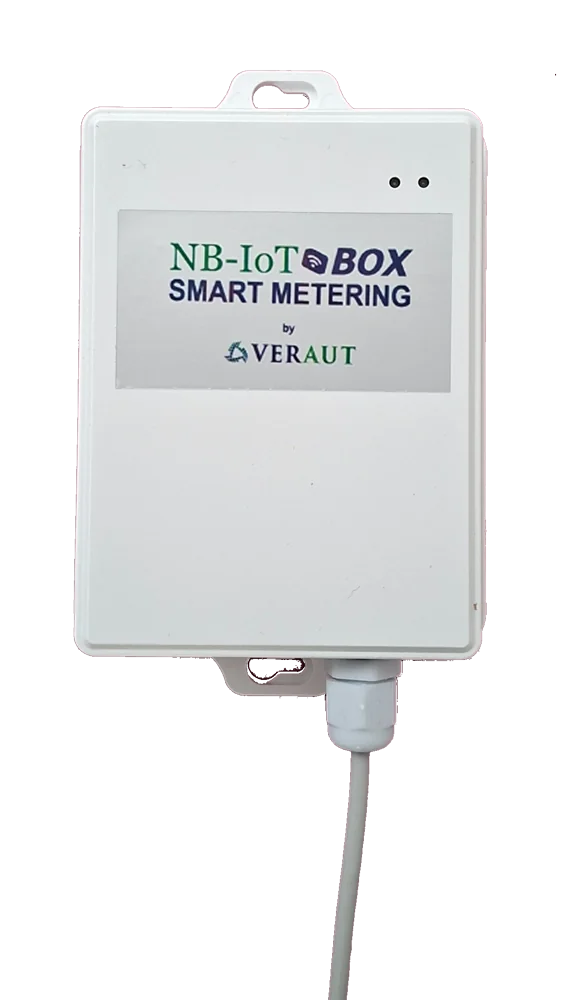
NB IoT Box LITE in an external IP67 enclosure with cable gland1234

Version in a separate IP67 housing

For meters in pits or outdoors, the NB IoT Box LITE is available in a separate housing with IP67 protection. Function, meter interfaces and data transmission are the same as for the version mounted on the meter.

  1. 1

    Separate housing with IP67 protection

    For installation in meter pits or outdoors. The housing contains the electronics, the lithium primary battery and the antenna.

  2. 2

    Integrated antenna

    The antenna is integrated in the housing. Where mobile reception is limited, an external antenna can be used.

  3. 3

    Connection for pulse and SCR

    The connecting cable enters the housing through a cable gland and is connected to the meter: pulse output (reed contact or S0) or compatible encoder register (SCR, SCR+).

  4. 4

    Mounting lugs

    Lugs at top and bottom for fixing to a wall or pit wall.

Manual meter reading costs time and staff

Many water, gas and heat meters are still read manually on site or with mobile radio reading systems in walk-by or drive-by mode. Other remote reading systems may need additional receivers or gateways. If a meter without a suitable communication interface is to be connected, a meter replacement may also be needed. With several hundred or thousand metering points this adds up to considerable organisational and staff effort.

Today

  • Manual reading or mobile radio reading (walk-by/drive-by)
  • Additional receiver or gateway infrastructure, depending on the radio system
  • Replacement of existing meters to enable remote reading, where necessary
  • Current consumption data only available at the reading dates

With the NB IoT Box LITE

  • Automatic transmission of meter data at adjustable intervals, hourly by default
  • Direct NB-IoT transmission without building your own gateway infrastructure
  • Connection to the existing, compatible meter interface
  • Stored readings provided for defined billing dates

Retrofit and commissioning in four steps

Retrofitting takes four steps. With a suitable interface, the existing meter stays in service. The settings needed depend on the meter type.

  1. 1 · Mount

    Mount the data logger at the intended site

    Depending on the version, the NB IoT Box LITE is mounted directly on the meter or in a separate housing. No work on the pipework is required.

  2. 2 · Connect

    Connect to the existing meter interface

    The data logger is connected to the meter’s existing pulse output or compatible encoder interface.

  3. 3 · Configure

    Set the meter-specific parameters

    During commissioning, the parameters required for the connected meter are set. Depending on the reading method, these include the pulse value, the number of register digits and, where needed, the current reading as the start value.

  4. 4 · Commission

    Automatic registration on the NB-IoT network

    After configuration, the data logger registers automatically on the NB-IoT mobile network. Once connected, it sends the captured meter data to the target system at the set transmission interval, hourly by default.

The mounting version depends on the installation site.

One data logger for different meter types

The NB IoT Box LITE can be used on meters from different manufacturers, provided they have a supported pulse or encoder interface. These include, for example, domestic and bulk water meters, domestic and commercial gas meters and suitable electricity and heat meters. Configuration follows the meter type.

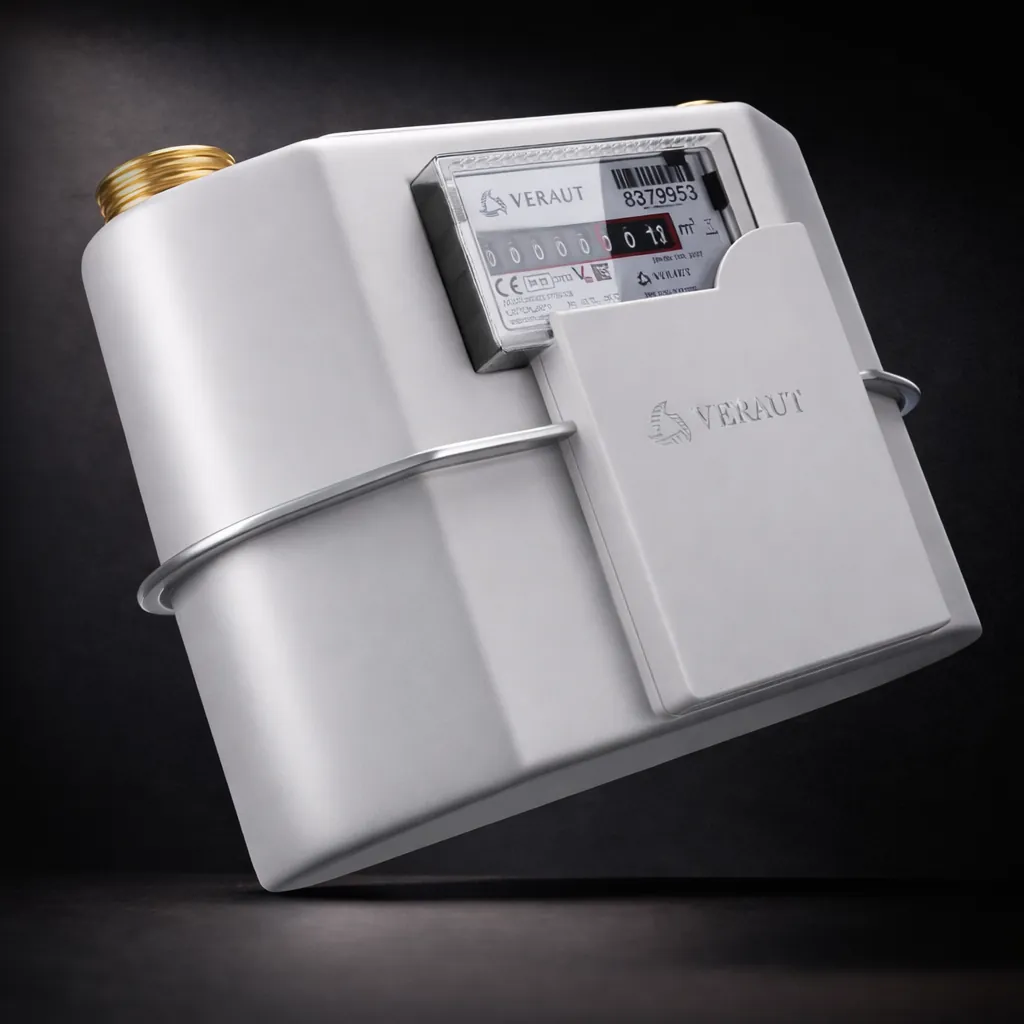
NB IoT Box LITE mounted on a diaphragm gas meter
Mounted directly on the meterThe NB IoT Box LITE is mounted directly on the meter, shown here on a diaphragm gas meter. This version suits meter cabinets and basements.
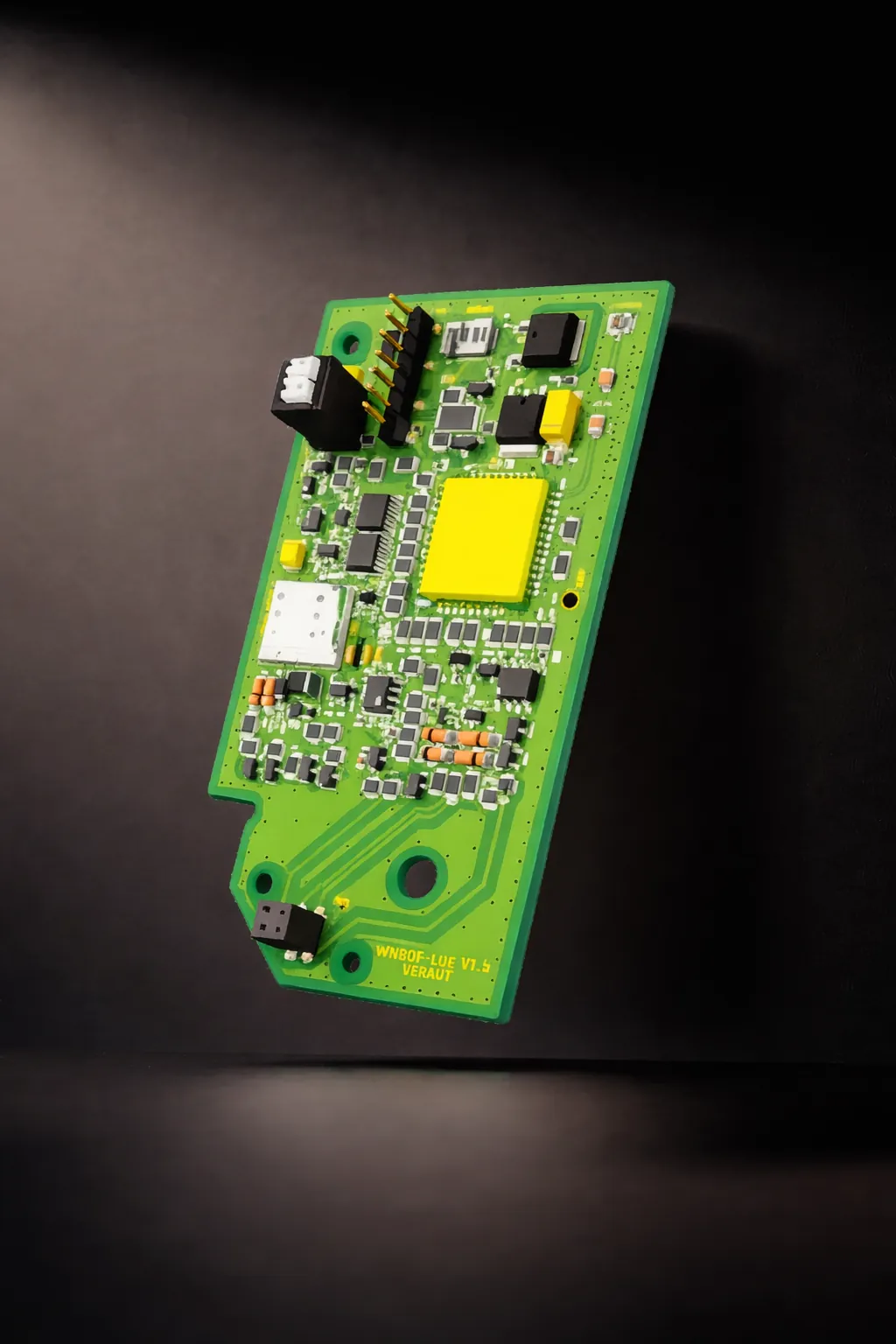
Assembled circuit board of the NB IoT Box LITE
Battery-powered data logger for a single meterThe electronics are designed for automatic acquisition and energy-efficient transmission of the data of a single meter.

From pilot project to area-wide remote meter reading

Because data is sent directly over NB-IoT, no additional local gateway infrastructure is needed. Mobile coverage must, however, be sufficient at every planned installation site. Further meters can be added to the remote reading system step by step.

  1. 1 · Pilot project

    Check mobile reception at different installation sites

    In the pilot project, selected meters at different installation sites are connected, for example in basements, meter cabinets and pits. This shows the mobile coverage and whether an external antenna is needed. If the mobile connection is interrupted, the captured data is buffered in the device and sent with its original time stamp once the connection is restored.

  2. 2 · Rollout

    Standardised retrofit of further meters

    Standard device configurations can be used for identical meter types. Installation and commissioning follow a uniform routine. After configuration, the data loggers register automatically on the NB-IoT mobile network.

  3. 3 · Operation

    Monitor meter data and device status centrally

    For every connected meter, the available meter data and information on the data logger’s operating state are transmitted. This can include the reading, calculated consumption, battery status and mobile signal quality. Device settings and firmware can be updated remotely, which reduces additional service visits on site.

Can your existing meters be retrofitted with the NB IoT Box LITE?

Tell us the manufacturers, meter types and quantities of the meters concerned and their installation sites. A pilot project with selected meters lets us check technical compatibility and NB-IoT coverage under real installation conditions.

Phone +43 732 386361-0
Request a pilot project

Interfaces for pulse transmitters and encoder registers

The NB IoT Box LITE captures the data of a single meter via a supported pulse or encoder interface and transmits it in encrypted form to the configured target system.

Inputs

  • Digital input1 digital input for pulse transmitters, reed contacts or S0 signals
  • EncoderInterface for compatible absolute encoders with SCR or SCR+ protocol
  • Meter typesWater, gas, electricity and heat meters from different manufacturers with a supported interface
NB IoT Box LITENB IoT Box LITEcaptures, buffers and transmits meter data

Transmission

  • NB-IoTNB-IoT (LTE Cat-NB2) in the licensed mobile network; no additional gateway required
  • ProtocolsData transmission via MQTT or CoAP
  • EncryptionAdditional AES encryption of the payload with 128 or 256 bits, depending on configuration
  • AntennaIntegrated or external antenna, depending on the version

Target systems

  • VERILOGWeb portal for displaying and analysing readings, alarm messages and data exports
  • Your systemConnection to existing head-end, meter data management, ERP or billing systems

More than 10 years battery life with hourly transmission

over10years

The stated battery life is a guide value for operation with hourly transmission and favourable NB-IoT reception conditions (ECL 0). The internal lithium primary battery powers the data logger without an external power supply. Energy-optimised operation reduces consumption between transmissions.

Mark at 10 years: stated guide value for hourly transmission at ECL 0.

Battery life depends on

  • Transmission interval
  • NB-IoT reception conditions at the installation site
  • Ambient temperature at the installation site

In normal operation the data logger needs little maintenance. The battery status is transmitted regularly to the data acquisition system, so a battery replacement can be planned in good time.

Technical data of the NB IoT Box LITE

The following data is an extract from the technical datasheet. The currently valid product documents and the operating instructions are binding. Where relevant for the device version, the corresponding approval documents also apply.

Meter interfaces and supported meter types
Digital input1 digital input for pulse transmitters, reed contacts or S0 signals
EncoderInterface for compatible absolute encoders with SCR or SCR+ protocol
Meter typesWater, gas, electricity and heat meters from various manufacturers
ConfigurationMeter-specific parameters, e.g. pulse value, current reading as start value and number of register digits
Design and installation site
MountingDirectly on the meter or in a separate housing; retrofit of compatible meters without replacement
VersionsDirect mounting on the meter or separate version with IP67 protection
Installation siteMeter cabinets, basements, meter pits and suitable outdoor locations
Data acquisition
Transmission intervalHourly by default, adjustable
Data transmittedMeter reading, consumption, device status, battery status, signal quality
BufferingInternal memory; automatic resending of stored values with time stamp
Fault detectionMonitoring of meter reading, device function and communication link by three watchdog functions with automatic restart
Data hosting (VERILOG)When using VERILOG: servers in Linz, Austria
Remote maintenanceRemote configuration and firmware updates
Communication
TechnologyNB-IoT, LTE Cat-NB2 (3GPP Rel. 13/14), licensed spectrum
Link budgetMaximum coupling loss (MCL) 164 dB
ProtocolsMQTT or CoAP
EncryptionPayload additionally encrypted with AES-128 or AES-256
AntennaInternal or external
GatewayNot required
Power
SupplyLithium primary battery, no external power supply
Battery lifeGuide value over 10 years with hourly transmission and favourable NB-IoT reception conditions (ECL 0)
Energy managementEnergy-optimised operation between transmissions
Explosion protection
ZonesApproved for Zone 2, Zone 1 approval in progress
MarkingEx II 2G Ex ib IIB T2 Gb

Explosion protection for Zone 2, extension to Zone 1 in the approval process

Gas meters are often installed where an explosive gas-air mixture can form. For these hazardous areas the NB IoT Box LITE is available with explosion protection under ATEX, the European rules for equipment used in such areas.

Zone 2: approved

An explosive mixture is not likely to occur in normal operation, or only briefly.

Zone 1: approval in progress

An explosive mixture may occur occasionally in normal operation. Until the approval is granted, we recommend the VERIBOX-MINI here.

The marking, read part by part

  1. ExExplosion protection
  2. IIEquipment group II: all areas except mining
  3. 2GCategory 2 for gas, designed for Zone 1
  4. Ex ibType of protection: intrinsic safety
  5. IIBGas group IIB, includes IIA such as natural gas
  6. T2Temperature class T2: surface max. 300 °C
  7. GbEquipment protection level for Zone 1
  • Intrinsically safe

    Current and voltage are limited so that neither sparks nor heat can ignite a gas-air mixture.

  • Binding documents

    For use in hazardous areas, the type examination certificate and the operating instructions apply.

In practice: gas meters across Upper Austria

A project of Netz Oberösterreich GmbH, Energie AG Oberösterreich.

Gas · Upper Austria

Netz Oberösterreich GmbH, Energie AG Oberösterreich

Starting point
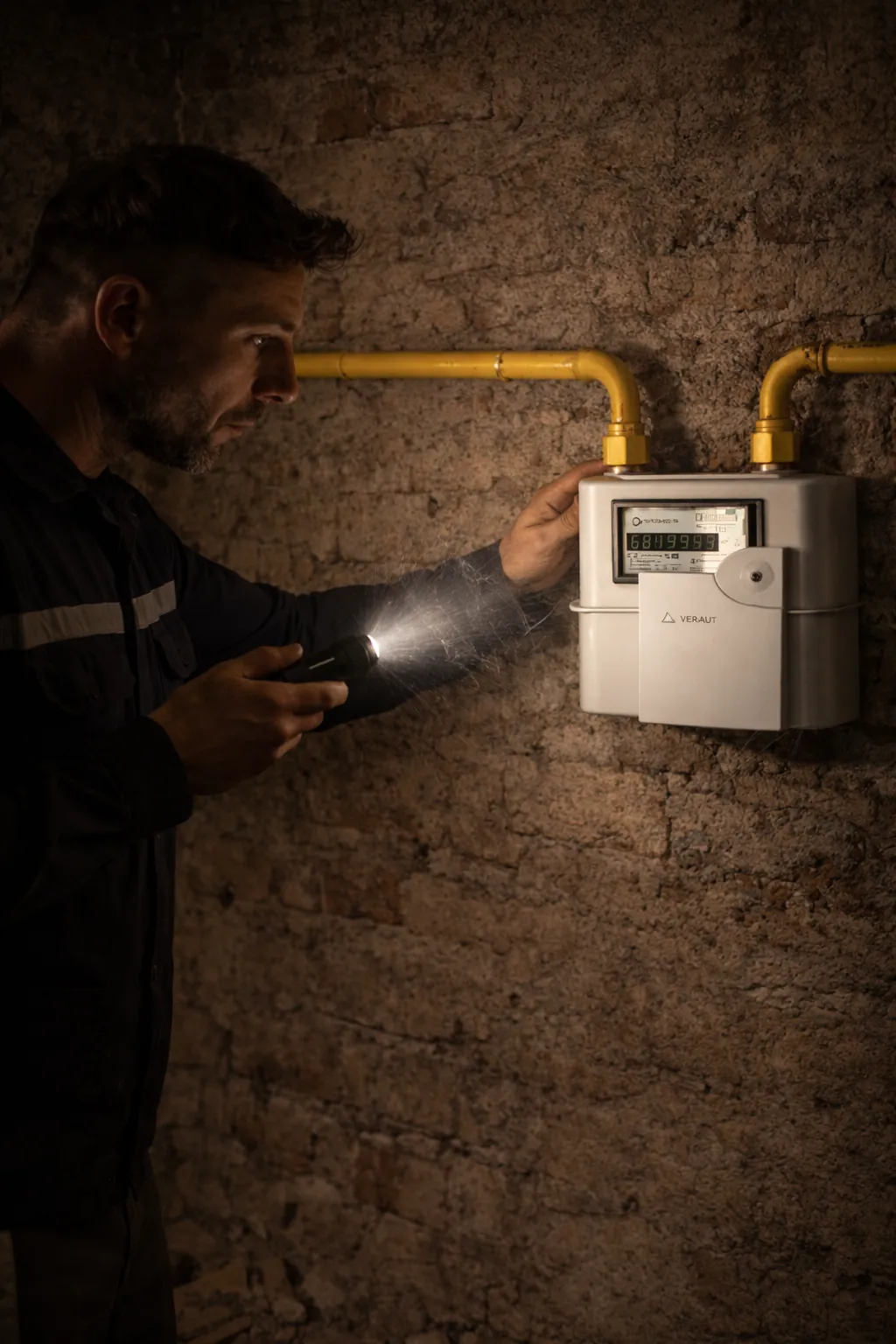
Gas meters with encoder index (SCR) spread across Upper Austria, often in basements and plant rooms. The goal was hourly readings without replacing meters and without a private radio network.
Solution
NB IoT Box LITE directly on the index, secured with a fixing screw. Digital reading of the meter value and hourly transmission via NB-IoT to VERILOG.
Result
210 meters in the field, 208 of them transmit complete hourly values. For two metering points with particularly difficult reception, antenna position and installation are being reviewed. Read the case
Building and energy management · Bavaria

ViWa GmbH, Cham

Application
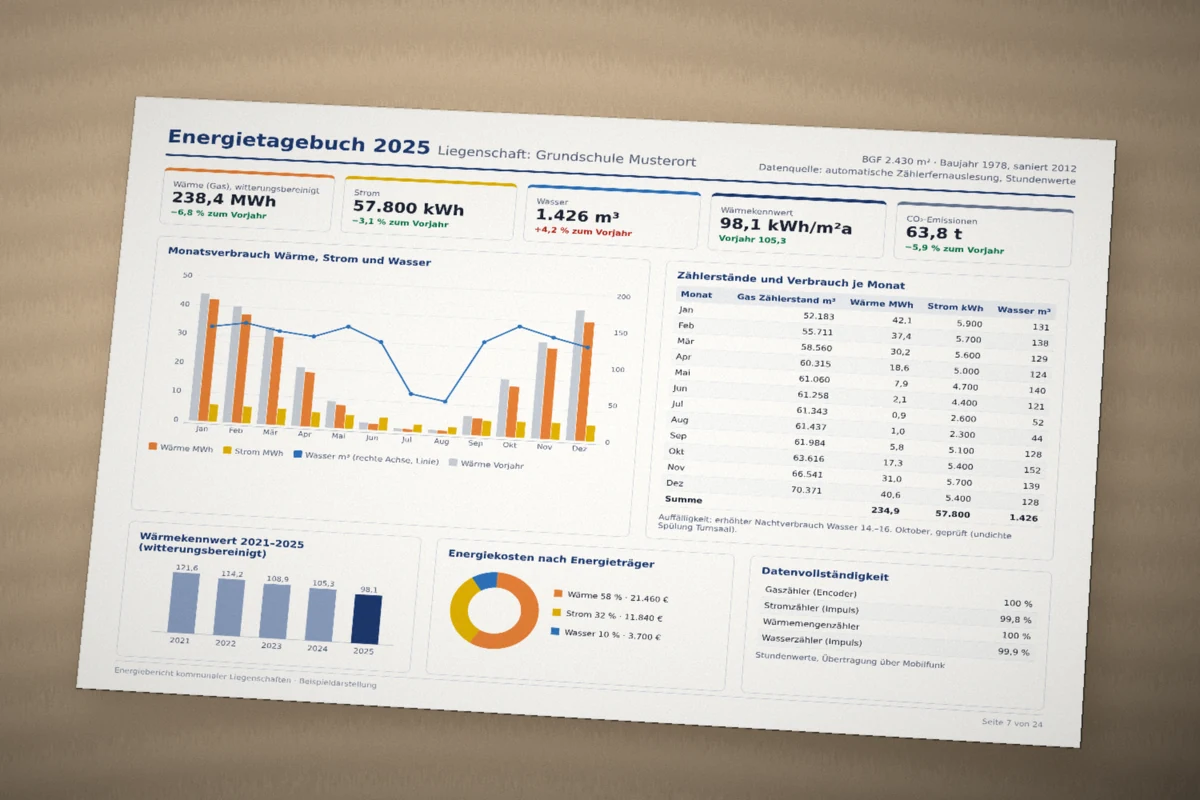
Gas, water, heat and electricity meters in 37 public buildings, read automatically since 2018 with NB IoT Box LITE and VERIBOX-MINI.
Result
The values go to the ViSo software and form the basis for energy logs and energy reports. Read the case

Documents

Frequently asked questions

NB IoT Box LITE or NB IoT Box MINI?

The NB IoT Box LITE is made for exactly one meter with a pulse or encoder output, which makes it the variant for rollouts. The NB IoT Box MINI is the right choice as soon as volume converters, several meters or analogue sensors are connected at one metering point.

Does it work in basements and meter pits?

In many cases, yes. NB-IoT is designed for around 20 dB more coupling loss than GSM (164 dB versus 144 dB MCL) and therefore reaches many basements and pits. Reception should be checked in the pilot project; where it is limited, an external antenna can be used.

Do I have to use VERILOG?

No. The NB IoT Box LITE can also send directly to your HES, MDM, ERP or billing system via MQTT or CoAP. If you do not run a system of your own, you use VERILOG.

Can the transmission interval be changed?

Yes. Hourly is the default; the interval is freely configurable, remotely as well. Shorter intervals reduce battery life.

Is the NB IoT Box LITE approved for hazardous areas?

For Zone 2, yes. The extension to Zone 1 is in the approval process. Until then we recommend the VERIBOX-MINI for Zone 1.

Let us check your meter list together

Send us your meter types and typical installation sites. We check which meters can be connected with the NB IoT Box LITE, suggest the right version for each site and agree a pilot project with you.

Let's talk about your metering point.

Briefly describe your application, meter type, installation site and hazardous area zone. We reply within up to three working days.

VERAUT GmbH · Derfflingerstraße 14/C/3 · 4020 Linz, Austria
+43 732 386361-0 · info (at) veraut.com

What is it about?
0